
What Is OTC Crypto Exchange Development?
An OTC desk trades bilaterally rather than through a public order book. A client requests a quote for a size that would move an exchange price, the desk quotes a single all-in rate, and if accepted the two settle directly with each other.
The product is not a trading screen. It is a quoting process, a settlement process and a counterparty risk process, wrapped in enough compliance to satisfy a regulator asking who you traded with and where the funds came from.
What You Receive
| Component | What It Covers |
|---|---|
| RFQ system | Quote request, pricing and acceptance workflow with expiry |
| Pricing engine | Aggregated liquidity with configurable spread and size tiers |
| Settlement workflow | Instruction, confirmation and delivery-versus-payment tracking |
| Counterparty limits | Per-client exposure caps with pre-trade checks |
| Compliance screening | KYB, sanctions, source-of-funds and chain analytics |
| Client portal | Quote history, settlement status, statements and limits |
| Desk tooling | Trader blotter, position view, hedging and P&L |
| Source code | Quoting, settlement, portal and infrastructure on delivery |
See a working OTC desk with your pricing, limits and settlement workflow before committing.
Get a Free Live DemoSettlement Risk Is the Whole Business
In an OTC trade the two sides do not settle simultaneously unless you engineer it. Someone sends first. Between that moment and the other leg arriving, one party is exposed for the full notional of the trade.
On a large block that exposure is the largest risk your desk takes all day, and it is a credit decision rather than a technical one. Desks that treat settlement as an operational detail discover the problem on the trade that does not complete.
Settlement sequence defined who sends first, under what limit, with what confirmation.
Counterparty limits enforced pre-trade not reviewed after the fact.
Atomic settlement where possible escrow or simultaneous exchange to remove the gap.
Confirmations required no leg released on a screenshot or a message.
Source of funds screened before settlement, because reversal is not available.
Exposure monitored live across open trades rather than per trade.
We design the settlement sequence and limit framework before the interface, because that is where an OTC desk actually loses money. The quoting screen is the easy half.
Surfaces This Scope Covers
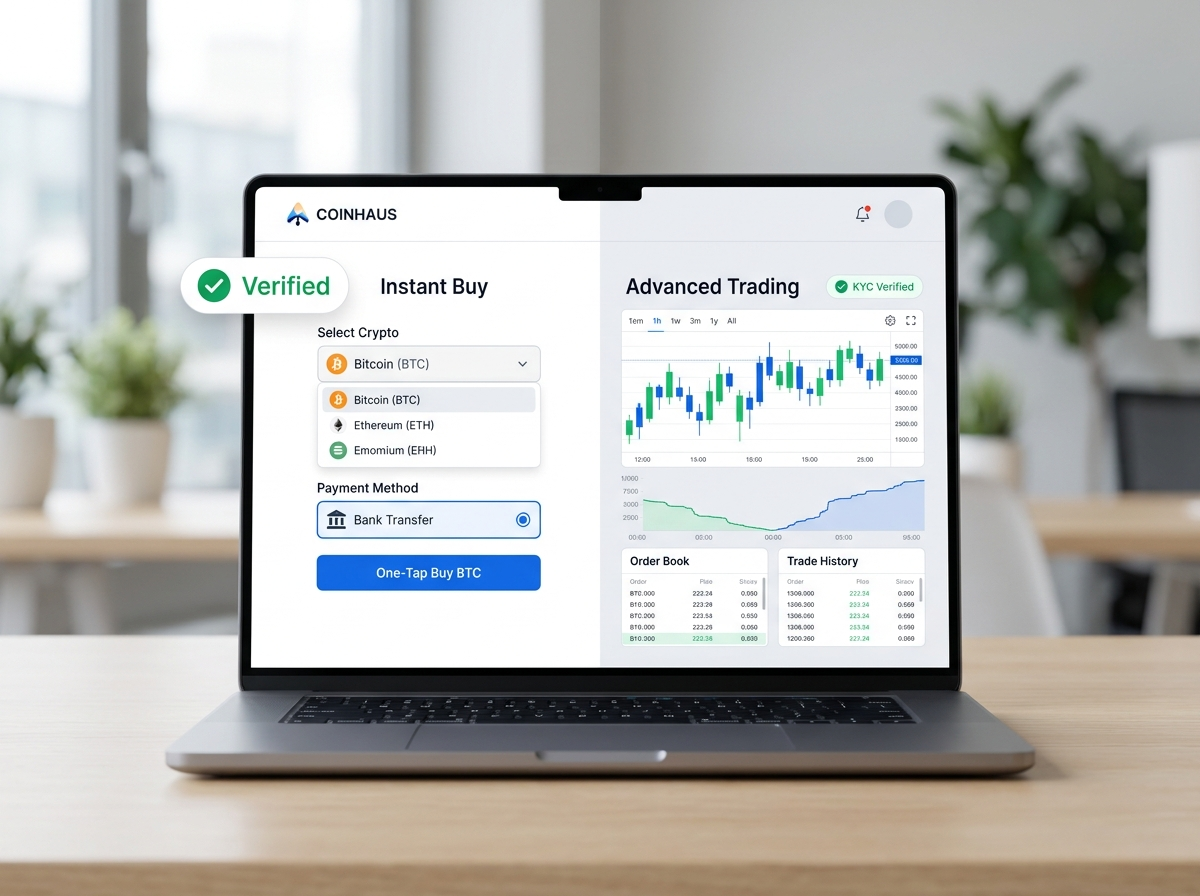
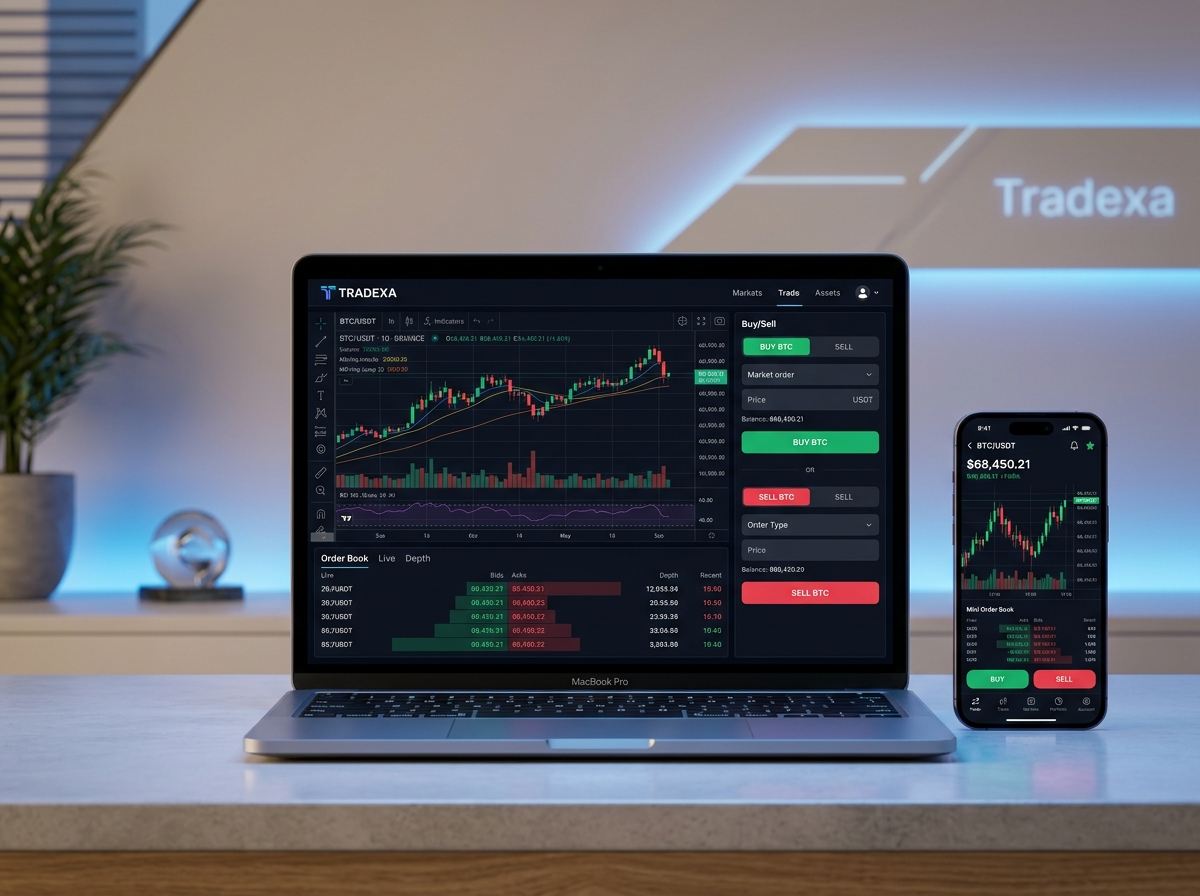
Reference concepts for an on-chain build — swap, liquidity and position surfaces. Not screenshots of a delivered client protocol; audited deployments are shown on a call.
Core Features
Quoting
- RFQ workflow with configurable quote expiry
- Aggregated pricing from exchanges and liquidity providers
- Size-tiered spread configuration
- Two-way and one-way quoting
- Manual trader override on any quote
- Firm and indicative quote modes
- Quote audit trail for every request
Settlement
- Settlement instruction generation and tracking
- Delivery-versus-payment where supported
- Escrow-based atomic settlement options
- Multi-currency and stablecoin legs
- Partial settlement handling
- Confirmation and reconciliation workflow
Risk and Compliance
- Pre-trade counterparty limit checks
- Live aggregate exposure monitoring
- KYB and beneficial ownership verification
- Sanctions and PEP screening
- Chain analytics on incoming funds
- Travel rule messaging where required
- Trade and settlement reporting exports
Desk and Client Tooling
- Trader blotter with position and P&L
- Hedging workflow against exchange liquidity
- Client portal with quote and settlement history
- Statement generation and reporting
- Role-based access with four-eyes controls
- Notification on quote, acceptance and settlement events
Mapped to a release plan
We will send a desk architecture, settlement design and compliance plan with a delivery timeline.
Request a Feature PlanHow an OTC Desk Is Put Together
The modules above map onto these layers. Each one ships with its own tests, documentation and runbook, so nothing arrives as a black box you inherit without an explanation.
Requests flow down, settlement and events flow back up. Every boundary carries logging, so a failure is traceable to a layer instead of guessed at.
Chains and Assets We Support
Each deployment is a separate audit surface, not a redeploy. Gas economics, MEV exposure and bridge assumptions differ per chain, and a contract that is safe on one can be attackable on another.
How We Build Your Desk
Contracts and interface follow separate tracks with separate release gates, because one is permanent and the other is not.
Flow and counterparty scoping
Client types, expected sizes, assets and settlement preferences.
Output → desk specification with counterparty framework
Settlement and limit design
Sequencing, escrow options, limit tiers and pre-trade checks.
Output → settlement design with risk framework
Platform development
Quoting, settlement, portal and desk tooling with integrations.
Output → staging desk for your review
Compliance and security review
Screening integration, penetration testing and process review.
Output → test reports with remediation completed
Launch and desk operations
Deployment, trader training, monitoring and settlement runbooks.
Output → live desk with runbooks and training
Chains we deploy to
Development Timeline
| Scope | Timeline | Includes |
|---|---|---|
| Standard OTC desk | 7 to 10 weeks | RFQ, manual settlement, client portal, screening |
| Desk with automated settlement | 12 to 16 weeks | Instruction automation, limit engine, hedging tools |
| Desk with atomic settlement | 4 to 7 months | Escrow settlement, DvP, structured products |
| Institutional OTC platform | 7 to 11 months | Multi-desk, FIX connectivity, full compliance stack |
What extends the timeline: banking and liquidity provider onboarding, which runs on their timelines; compliance integration for KYB, screening and chain analytics; settlement design and testing, which cannot be rushed on trades of size; and trader process design, which is operational work alongside the build.
Revenue Models
| Model | How It Works |
|---|---|
| Spread on quoted price | The desk margin built into every quote |
| Size-tiered pricing | Wider spreads on harder-to-source size |
| Settlement fees | Charges on the operational side of each trade |
| Financing and credit lines | Interest on extended settlement terms |
| Structured trade fees | Margin on bespoke or multi-leg structures |
| Custody and holding fees | Charges for holding client assets between trades |
| Referral and introduction fees | Revenue on flow directed to partners |
Every fee is public and comparable on-chain, so pricing has a hard competitive ceiling. We build fee parameters as governable values rather than constants so they can be tuned without redeployment.
Related services
Who This Is For
Adding a desk for clients whose size the book cannot absorb.
Offering block crypto execution to existing clients.
Productising internal liquidity as a client-facing desk.
Executing large positions without market impact.
Selling production or holdings in size, discreetly.
Sourcing large conversions at a firm rate.
Why Choose Coinsclone
Settlement designed as risk
The sequence, limits and confirmations engineered before the interface.
Limits enforced pre-trade
Exposure checked before a quote is firm rather than reviewed afterwards.
Atomic settlement where possible
Escrow or simultaneous exchange to remove the exposure gap entirely.
Screening before settlement
Source of funds checked while the trade can still be stopped.
Live aggregate exposure
Monitored across all open trades, not one trade at a time.
Full source code ownership
Quoting, settlement, portal and infrastructure transfer on delivery.
What Our Clients Say
Operators who launched with us, in their own words. Hover to pause.














A members-only NFT marketplace for Digital Freemasonry
 Digital Free MasonryNFT marketplace · delivered and live
Next phase in progress: the ODFT Token and the MasonicVerse platform.
Working with Coinsclone has been one of the best professional experiences I have had in the blockchain industry.
From the very beginning of our NFT Marketplace project until its successful completion, the entire team demonstrated exceptional technical expertise, professionalism, patience, and commitment. Every stage of development was handled with great attention to detail, and every challenge we encountered was approached with a solution-oriented mindset.
Read the full client note
Our project was far from a standard NFT Marketplace. It included custom blockchain architecture, Polygon integration, ERC-721 and ERC-1155 standards, royalty implementation, token-gated access through Masonic Passport, multiple payment methods, marketplace customization, advanced testing, and many unique business requirements. Throughout the entire process, the team consistently delivered high-quality work while maintaining clear communication, transparency, and a strong commitment to excellence.
I would especially like to express my sincere appreciation to Mr. Jeeva, Mr. Bala, Mr. Saravanan, Mr. Veeramani, Mr. Akshay, and the entire development team for their outstanding support, professionalism, responsiveness, and dedication throughout the project. Their technical expertise, patience, and willingness to understand even the most complex business requirements gave us complete confidence during every phase of development.
What impressed me the most was not only their excellent blockchain development skills, but also their ability to understand our vision and transform it into a secure, scalable, and highly professional NFT Marketplace.
For me, Coinsclone is not simply a software development company — they are a trusted long-term technology partner. After successfully completing our NFT Marketplace, we are now preparing to continue our collaboration on the next major phase of the Digital Freemasonry ecosystem, including the development of the ODFT Token and the future MasonicVerse platform.
I highly recommend Coinsclone to anyone looking for a reliable, experienced, and highly professional blockchain development company. They have earned my complete trust and respect, and I sincerely look forward to working with them again on future projects.
Start Your OTC Desk Project
Tell us your expected flow and settlement preferences and we will respond with a desk architecture and delivery timeline.
- Settlement sequence and counterparty limits designed first
- Screening applied before settlement, not after
- NDA signed before technical discussion
Request received
A solution architect will reply within one business day with a scoped proposal and demo link.
OTC Crypto Exchange Development: Frequently Asked Questions
What is an OTC crypto exchange?
A desk trading bilaterally rather than through a public order book. A client requests a quote for size that would move an exchange price, and the two parties settle directly with each other.
Why do clients use an OTC desk?
To avoid market impact. Executing a large order on an order book moves the price against you, so a single all-in quote for the full size is usually a better outcome.
What is the main risk in OTC trading?
Settlement risk. The two legs rarely move simultaneously, so one party is exposed for the full notional between sending and receiving. On a block trade that is the largest exposure of the day.
How is settlement risk reduced?
By defining the sequence explicitly, enforcing counterparty limits before the quote is firm, using escrow or delivery-versus-payment where available, and requiring confirmations rather than messages.
What is RFQ?
Request for quote: the client asks for a price on a specific size, the desk responds with a firm or indicative rate that expires, and the client accepts or declines within that window.
How is pricing determined?
From aggregated exchange and liquidity provider pricing plus a size-tiered spread, with trader override available on any quote. Sourcing quality is what makes the spread defensible.
What compliance applies to an OTC desk?
KYB and beneficial ownership verification, sanctions and PEP screening, chain analytics on incoming funds, travel rule messaging where required, and trade reporting. Screening happens before settlement, not after.
Can the desk hedge its positions?
Yes, with hedging workflow against exchange liquidity so the desk can offset exposure taken on a client trade rather than holding directional risk unintentionally.
Do you support fiat legs?
Yes, where you hold banking relationships. Fiat settlement is usually the slower leg and shapes the settlement sequence, so it is scoped at the start.
How does an OTC desk make money?
Spread on quoted prices, size-tiered pricing, settlement fees, financing on extended terms, structured trade margin, custody fees and referral revenue.
How long does it take to build?
A standard desk takes 7 to 10 weeks. Automated settlement takes 12 to 16 weeks. Atomic settlement takes 4 to 7 months, and an institutional platform 7 to 11 months.
Will we own the platform?
Yes. Quoting engine, settlement workflow, client portal, desk tooling and infrastructure configuration transfer on delivery.
Estimate Your Build
Pick a scope and the extras you need. On a protocol build the audit and economic-modelling lines are the ones that move the timeline, and neither compresses safely.
{{ estSummary }}
Ranges assume decisions arrive on time. Licensing, banking and third-party audits run on their own schedules and we plan around them rather than inside them.
Get This Scoped ProperlyReady to Launch Your OTC Desk?
Share your expected flow and settlement preferences and receive a desk architecture, risk framework and delivery timeline.