
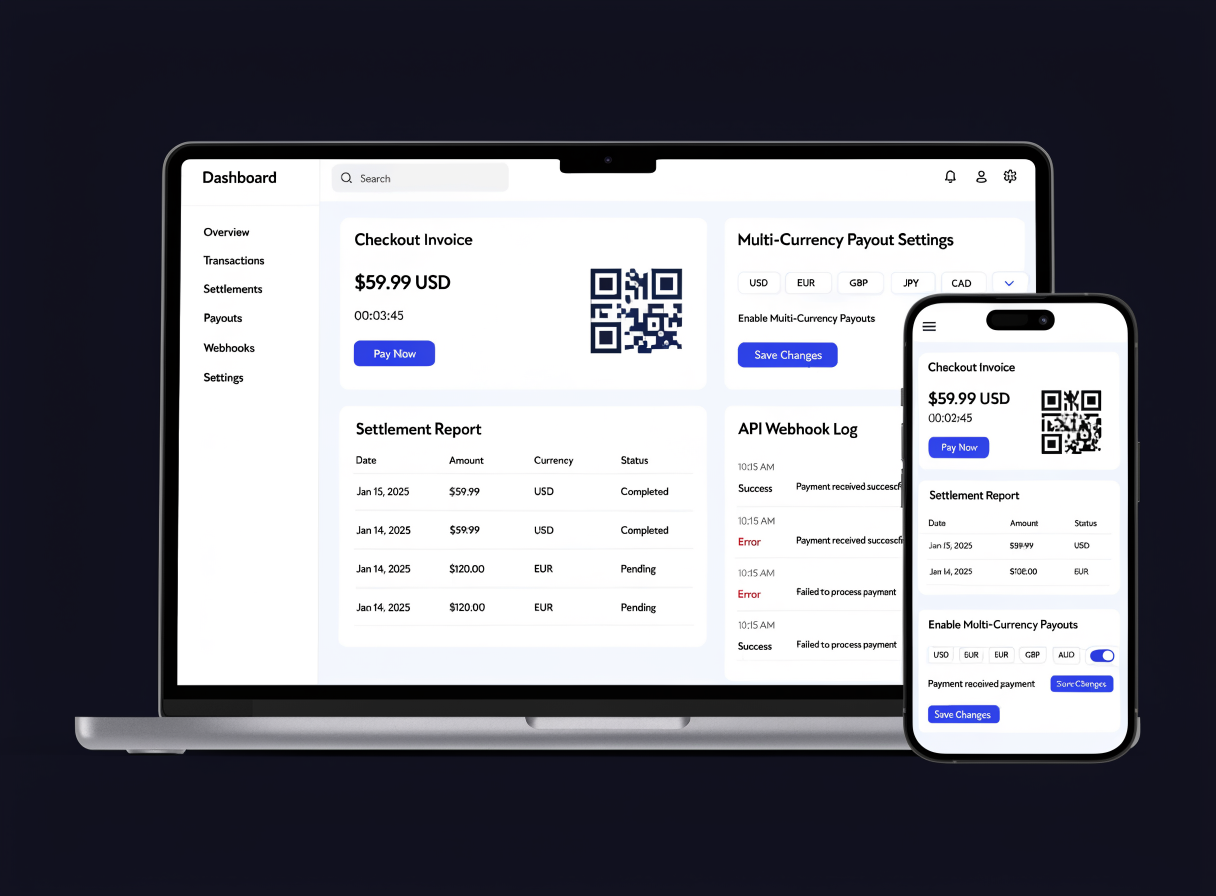
What Is a Crypto Payment Gateway?
A crypto payment gateway sits between a merchant checkout and the blockchain. It generates a payment address or invoice, watches for the incoming transaction, decides when that payment counts as final, notifies the merchant system, and settles funds to the merchant in their chosen asset.
Merchants judge it on one thing: whether the money arrives, in the amount expected, in a form their accountant can reconcile. Everything else is secondary, including the checkout design.
What You Receive
| Component | What It Covers |
|---|---|
| Checkout system | Hosted and embedded payment flows with invoice generation |
| Confirmation engine | Per-asset confirmation policy tuned to value and risk |
| Webhook delivery | Idempotent, signed, retried notifications with replay |
| Settlement system | Conversion, batching and payout to merchant accounts |
| Reconciliation | Statements that tie every payment to a settlement line |
| Merchant dashboard | Payments, settlements, refunds and reporting exports |
| Plugins | Integrations for major e-commerce platforms |
| Source code | Gateway, plugins, dashboard and infrastructure on delivery |
See a working checkout and settlement report with your branding before committing.
Get a Free Live DemoA Webhook Fired Twice Is an Order Shipped Twice
When a payment confirms, the gateway tells the merchant system. Networks drop responses, servers restart, retries fire. If that notification is not idempotent, the merchant credits the same payment twice and ships twice.
The mirror failure is worse: a webhook that never arrives means a paid customer who appears unpaid. Both are integration defects rather than blockchain problems, and both are why merchants abandon gateways after their first reconciliation nightmare.
Webhooks idempotent by design with an event id the merchant can safely deduplicate on.
Signed payloads so a merchant can verify the notification came from you.
Retry with backoff and a replay endpoint for anything missed entirely.
Confirmation policy per asset sized to reorg risk and payment value, not one global number.
Underpayment and overpayment handled explicitly, because both happen constantly.
Reconciliation reports tying every payment to its settlement line for an accountant.
We treat webhook delivery and reconciliation as the core product rather than plumbing. A gateway that cannot prove where a payment went loses the merchant at their first month-end close.
Surfaces This Scope Covers
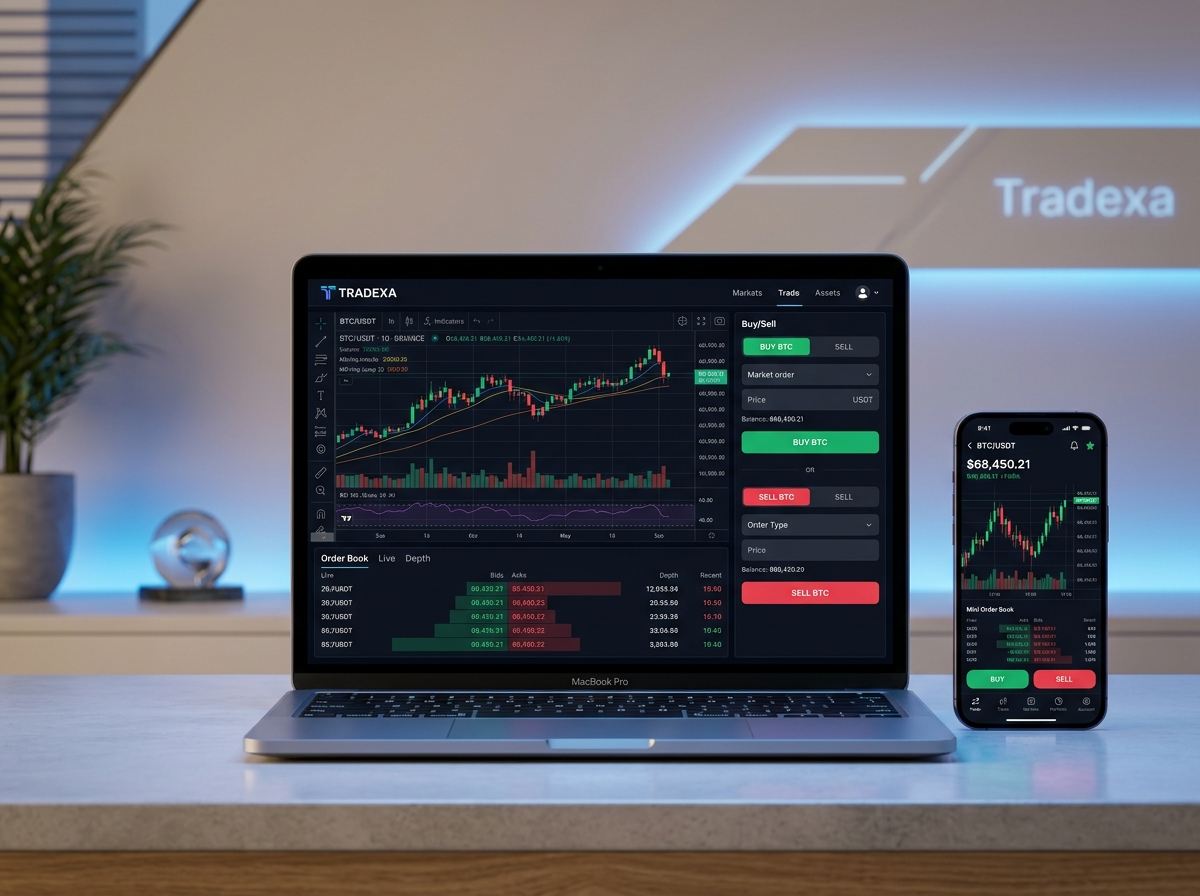
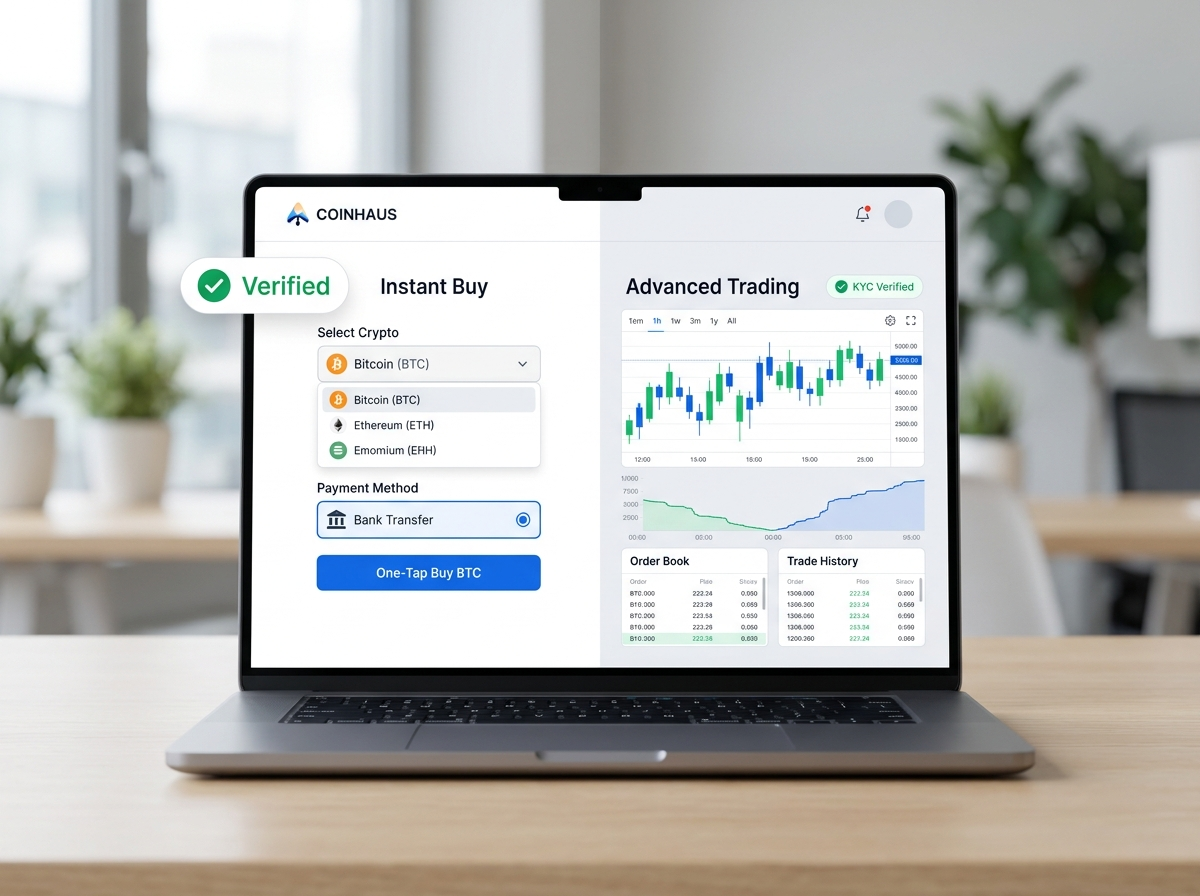
Reference concepts for an on-chain build — swap, liquidity and position surfaces. Not screenshots of a delivered client protocol; audited deployments are shown on a call.
Core Features
Checkout and Payments
- Hosted checkout and embeddable widget
- Invoice generation with expiry and exchange rate lock
- Multi-asset and multi-chain payment acceptance
- QR and deep-link payment for mobile wallets
- Underpayment, overpayment and late payment handling
- Partial payment and top-up flows
- Refund and chargeback-equivalent workflow
Confirmation and Settlement
- Per-asset confirmation policy tuned to value
- Instant-credit options with risk thresholds
- Automatic conversion to stablecoin or fiat
- Batched payouts with configurable schedules
- Multi-currency settlement accounts
- Fee transparency on every transaction
Integration
- Idempotent signed webhooks with retry and replay
- REST API with sandbox environment
- Plugins for major e-commerce platforms
- Client libraries in common languages
- Payment status polling as a webhook fallback
- Detailed integration documentation
Merchant Operations
- Dashboard with payments, settlements and disputes
- Reconciliation statements and accounting exports
- Multi-user access with role permissions
- KYB onboarding and risk tiering
- Fraud and chain analytics screening
- Notification and alerting on payment events
Mapped to a release plan
We will send a gateway architecture, confirmation policy and settlement design with a delivery timeline.
Request a Feature PlanHow a Payment Gateway Is Put Together
The modules above map onto these layers. Each one ships with its own tests, documentation and runbook, so nothing arrives as a black box you inherit without an explanation.
Requests flow down, settlement and events flow back up. Every boundary carries logging, so a failure is traceable to a layer instead of guessed at.
Chains and Assets We Support
Each deployment is a separate audit surface, not a redeploy. Gas economics, MEV exposure and bridge assumptions differ per chain, and a contract that is safe on one can be attackable on another.
How We Build Your Gateway
Contracts and interface follow separate tracks with separate release gates, because one is permanent and the other is not.
Merchant and risk scoping
Merchant types, payment sizes, assets and settlement preferences.
Output → gateway specification with risk tiers
Confirmation and settlement design
Per-asset policy, conversion approach and payout schedule.
Output → confirmation policy and settlement design
Platform development
Checkout, confirmation engine, webhooks, settlement and dashboard.
Output → staging gateway with sandbox environment
Integration and security testing
Plugin testing, webhook failure simulation and penetration testing.
Output → test reports with remediation completed
Launch and merchant onboarding
Deployment, plugin publication, monitoring and support runbooks.
Output → live gateway with onboarding documentation
Chains we deploy to
Development Timeline
| Scope | Timeline | Includes |
|---|---|---|
| Standard gateway | 6 to 9 weeks | Checkout, core assets, webhooks, dashboard |
| Gateway with settlement | 10 to 14 weeks | Conversion, batched payouts, reconciliation, plugins |
| Gateway with fiat rails | 4 to 7 months | Banking integration, fiat payouts, full compliance |
| Multi-region gateway | 7 to 11 months | Several regions, multi-currency, institutional merchants |
What extends the timeline: banking and payment partner onboarding for fiat settlement, which is the longest lead time; compliance integration for KYB and screening; webhook and failure-mode testing, which is where integration quality is proven; and e-commerce plugin review processes on each platform marketplace.
Revenue Models
| Model | How It Works |
|---|---|
| Transaction fee | A percentage or flat fee on each payment processed |
| Conversion spread | Margin on converting crypto to stablecoin or fiat |
| Settlement fees | Charges on payouts to merchant accounts |
| Premium plans | Higher limits, faster settlement and dedicated support |
| Float and treasury yield | Yield on funds held between payment and settlement |
| Setup and integration fees | Charges for onboarding and custom integration |
| White label licensing | Licensing the gateway to other operators |
Every fee is public and comparable on-chain, so pricing has a hard competitive ceiling. We build fee parameters as governable values rather than constants so they can be tuned without redeployment.
Related services
Who This Is For
Adding crypto acceptance to an existing merchant base.
Offering native crypto checkout to their sellers.
Extending into merchant services alongside trading.
Using crypto rails for cross-border settlement.
Accepting payment from users without card coverage.
Serving markets card networks underserve.
Why Choose Coinsclone
Webhooks engineered properly
Idempotent, signed, retried and replayable, because double-credits ship goods twice.
Confirmation policy per asset
Tuned to reorg risk and payment value rather than one global number.
Reconciliation built for accountants
Every payment tied to a settlement line in an exportable statement.
Edge cases handled explicitly
Underpayment, overpayment and late payment are constant, not exceptional.
Plugins maintained
Tested against platform updates rather than shipped and abandoned.
Full source code ownership
Gateway, plugins, dashboard and infrastructure transfer on delivery.
What Our Clients Say
Operators who launched with us, in their own words. Hover to pause.















A members-only NFT marketplace for Digital Freemasonry
 Digital Free MasonryNFT marketplace · delivered and live
Next phase in progress: the ODFT Token and the MasonicVerse platform.
Working with Coinsclone has been one of the best professional experiences I have had in the blockchain industry.
From the very beginning of our NFT Marketplace project until its successful completion, the entire team demonstrated exceptional technical expertise, professionalism, patience, and commitment. Every stage of development was handled with great attention to detail, and every challenge we encountered was approached with a solution-oriented mindset.
Read the full client note
Our project was far from a standard NFT Marketplace. It included custom blockchain architecture, Polygon integration, ERC-721 and ERC-1155 standards, royalty implementation, token-gated access through Masonic Passport, multiple payment methods, marketplace customization, advanced testing, and many unique business requirements. Throughout the entire process, the team consistently delivered high-quality work while maintaining clear communication, transparency, and a strong commitment to excellence.
I would especially like to express my sincere appreciation to Mr. Jeeva, Mr. Bala, Mr. Saravanan, Mr. Veeramani, Mr. Akshay, and the entire development team for their outstanding support, professionalism, responsiveness, and dedication throughout the project. Their technical expertise, patience, and willingness to understand even the most complex business requirements gave us complete confidence during every phase of development.
What impressed me the most was not only their excellent blockchain development skills, but also their ability to understand our vision and transform it into a secure, scalable, and highly professional NFT Marketplace.
For me, Coinsclone is not simply a software development company — they are a trusted long-term technology partner. After successfully completing our NFT Marketplace, we are now preparing to continue our collaboration on the next major phase of the Digital Freemasonry ecosystem, including the development of the ODFT Token and the future MasonicVerse platform.
I highly recommend Coinsclone to anyone looking for a reliable, experienced, and highly professional blockchain development company. They have earned my complete trust and respect, and I sincerely look forward to working with them again on future projects.
Start Your Gateway Project
Tell us your merchant profile and settlement needs and we will respond with an architecture and delivery timeline.
- Idempotent webhooks and reconciliation designed in
- Confirmation policy set per asset, not globally
- NDA signed before technical discussion
Request received
A solution architect will reply within one business day with a scoped proposal and demo link.
Crypto Payment Gateway Development: Frequently Asked Questions
What is a crypto payment gateway?
Infrastructure between a merchant checkout and the blockchain: it generates an invoice, watches for payment, decides when it is final, notifies the merchant system and settles funds in the merchant chosen asset.
What do merchants actually care about?
Whether the money arrives, in the expected amount, in a form their accountant can reconcile. Checkout design matters far less than settlement reliability and clear statements.
Why are webhooks the critical component?
Because they tell the merchant a payment succeeded. A non-idempotent webhook fired twice credits an order twice; one that never arrives leaves a paying customer looking unpaid.
How is webhook reliability engineered?
Idempotent events with stable ids, signed payloads the merchant can verify, retry with backoff, a replay endpoint for missed events, and status polling as a fallback.
How many confirmations should a payment need?
It depends on the asset and the value. A single global number is wrong in both directions, so policy is set per asset against reorg risk and payment size, with instant-credit thresholds where appropriate.
What happens if a customer underpays?
It is handled explicitly: the invoice records a partial payment, the customer can top up within the window, and the merchant is notified of the shortfall rather than the payment silently failing.
How is volatility handled?
Through exchange rate locking for the invoice window and automatic conversion to stablecoin or fiat on confirmation, so the merchant receives the amount they priced.
Can the gateway settle in fiat?
Yes, where you hold banking relationships. Fiat settlement is the longest lead time in a gateway project and shapes the whole payout design, so it is scoped at the start.
Do you build e-commerce plugins?
Yes, for major platforms, and we test them against platform updates. A plugin that breaks after a store upgrade costs the merchant sales and costs you the merchant.
How does a gateway make money?
Transaction fees, conversion spread, settlement fees, premium plans, float yield, setup fees and white label licensing. Conversion spread is usually the largest line.
How long does it take to build?
A standard gateway takes 6 to 9 weeks. Adding settlement and plugins takes 10 to 14 weeks. Fiat rails take 4 to 7 months, and a multi-region gateway 7 to 11 months.
Will we own the code?
Yes. Gateway, confirmation engine, webhook infrastructure, plugins, dashboard and infrastructure configuration transfer on delivery.
Estimate Your Build
Pick a scope and the extras you need. On a protocol build the audit and economic-modelling lines are the ones that move the timeline, and neither compresses safely.
{{ estSummary }}
Ranges assume decisions arrive on time. Licensing, banking and third-party audits run on their own schedules and we plan around them rather than inside them.
Get This Scoped ProperlyReady to Launch Your Gateway?
Share your merchant profile and settlement needs and receive an architecture, confirmation policy and delivery timeline.